Featured
Table of Contents
AI-driven chatbots handle inquiries, grievances, and process deals, improving user experience by providing instantaneous and accurate reactions. AI tools automate visit tips, follow-up interactions, and personalized health tips, making sure continuous engagement with patients. Utilizing AI to evaluate client information and produce personalized health and health plans that differ by client's history and preferences.
AI's capability to find irregular patterns in transaction data helps in avoiding deceptive activities. AI curates travel plans based on previous bookings, browsed destinations, and known preferences. Uses AI to adjust rates of flights, accommodations, and packages in real-time based on need, seasonality, and user behavior. AI-driven platforms examine trainee performance and adjust the curriculum for tailored educational experiences.
AI marketing automation is experiencing numerous emerging trends that are forming the future of individualized customer journeys. Beyond basic chatbots, conversational AI engages in more intricate interactions, understanding context and emotion to provide a human-like discussion experience. With the increased use of voice assistants, AI is tuning marketing content for voice search, making sure brand names remain noticeable in this brand-new search paradigm.

Maximizing High-Level ROI through AI-Powered Marketing Management
Incorporating AI with AR offers consumers with immersive experiences that combine the physical and digital worlds, enhancing engagement and conversion rates. Carrying out the latest AI patterns needs a tactical approach that carefully lines up with brand name objectives, making sure that every touchpoint in the customer journey is enhanced for satisfaction and retention.
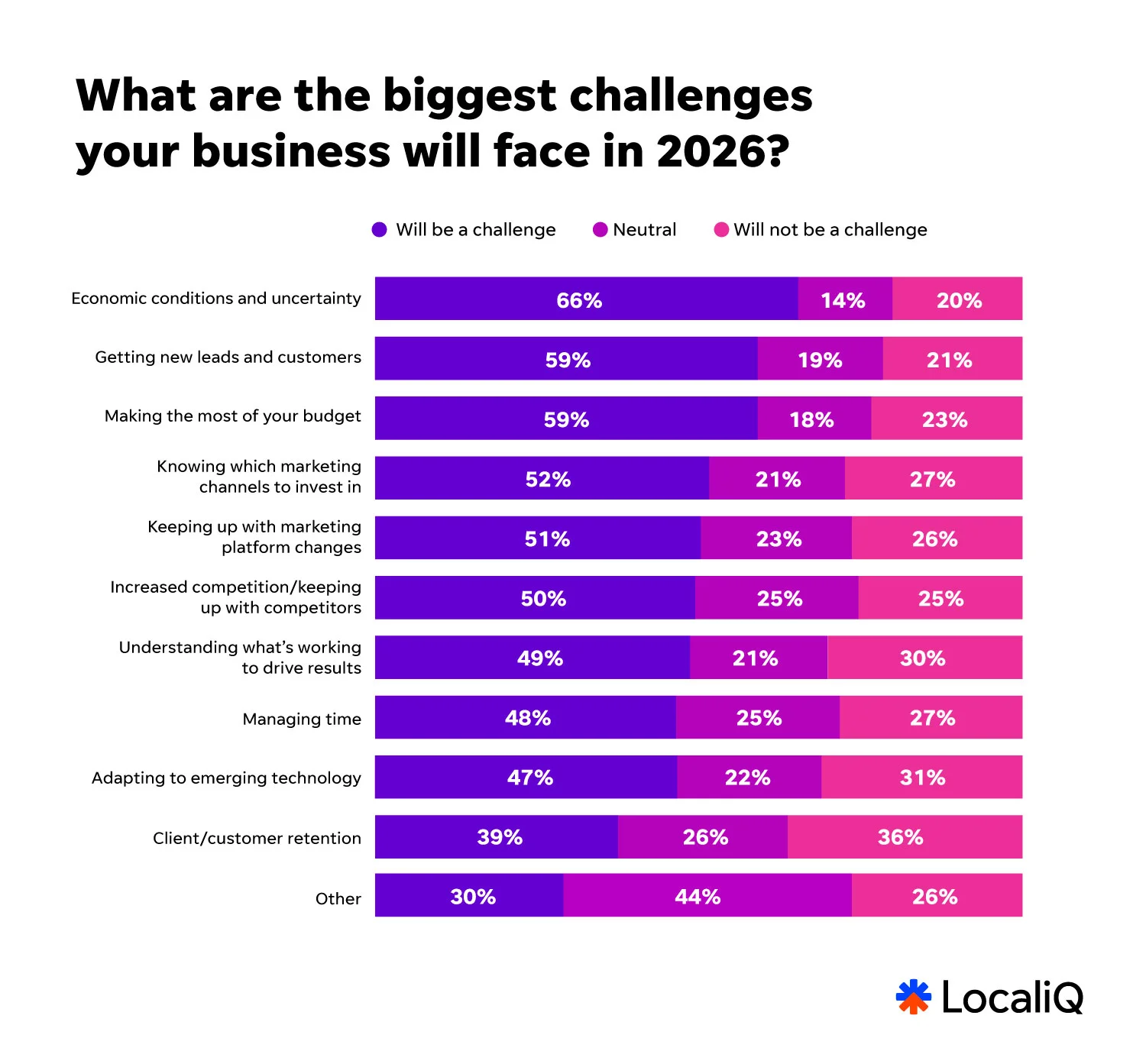
The adoption of AI marketing automation provides a special set of difficulties that can hinder successful combination and utilization. Acknowledging and addressing these concerns is key to realizing the full benefits of AI-driven marketing methods. We will now present 5 widespread obstacles services deal with when incorporating artificial intelligence into their marketing strategies.
From attending to technological intricacies to making sure group preparedness, this part of our discussion is devoted to debunking AI release and helping companies harness its complete potential to transform their marketing efforts. Challenge: Many organizations face difficulties incorporating AI innovations with existing systems. Service: Use middleware options or APIs that can bridge AI tools with tradition systems, guaranteeing smooth data flow and performance.
Option: Carry out comprehensive information governance structures to improve data quality and buy information collection and storage technologies. Obstacle: Staff members may withstand embracing AI due to fears of redundancy or pain with brand-new innovation. Service: Conduct modification management programs that highlight the encouraging role of AI and offer peace of mind about job evolution rather than replacement.
Comparing Manual Strategy vs Automated Marketing Outcomes
Service: Invest in training existing personnel, employing new skill with AI efficiency, or partnering with AI vendors that offer strong support. Barrier: Little to midsize businesses frequently battle with the funds needed for AI adoption. Option: Start little with economical AI tools that offer scalable solutions, and step success to validate further financial investment.
Here we'll lay out best practices for promoting data stability and cultivating trust, making sure that marketing development aligns with the greatest ethical standards. Make use of AI to boost data security measures.
Solution: Routinely audit and upgrade AI models to address biases. Diversify information sets and include ethicists in AI development. Challenge: The decision-making procedures of AI can be opaque. Solution: Develop explainable AI systems that can transparently convey the rationale behind decisions. Develop accountability protocols for AI-driven actions. Gearing up teams with the essential abilities and understanding to effectively utilize AI in contemporary marketing procedures needs a labor force that's not only tech-savvy, but likewise adaptive and constantly learning.
Obstacle: AI marketing automation typically needs input from numerous departments, which can lead to siloed efforts. Service: Create interdisciplinary teams that work collaboratively on AI efforts, enabling for varied input and knowledge.
Will Strategy Thrive during this AI-First Digital Revolution?
Option: Carry out hands-on workshops and pilot tasks to offer teams real-world experience in applying AI tools. Challenge: The AI field is developing, and skills can end up being outdated rapidly. Solution: Partner with academic organizations and tech companies to remain abreast of the most recent advancements and training programs. Challenge: Leaders might lack the understanding essential to drive AI efforts.
The effective adoption of AI in marketing automation involves acknowledging the hurdles that come with new innovations, responsibly managing customer information, and making sure that groups are equipped with the skills to leverage AI successfully. By identifying these challenges and proactively looking for solutions, companies can browse the complexities of AI integration and use it to enhance marketing efforts while keeping ethical requirements.

This section outlines, including recognizing essential performance indicators (KPIs), analyzing consumer engagement metrics, and utilizing AI-driven insights for ongoing marketing improvements. To gauge the success of AI marketing automation efforts, organizations must track particular KPIs that reflect strategic goals. Here are some important KPIs: The percentage of leads turning into consumers.
Examines the overall income a company can anticipate from a single consumer account throughout the relationship. AI improves predictive CLV modeling. A composite metric that shows interactions across touchpoints; might consist of website sees, social media engagement, and email opens. Measures how well AI is scoring and nurturing result in move them further down the funnel.
Navigating High-Impact Social Platforms in the Era of AI Algorithms
AI can help optimize marketing spend, preferably reducing this metric with time. A basic KPI, ROI suggests the success of marketing efforts and can be improved by AI's data-driven decision-making. The ratio of users who click on a specific link to the variety of overall users who view a page, email, or ad.
AI tools can inspect client engagement metrics with unprecedented depth, offering insights beyond what's possible with conventional analytics. Here's how AI contributes to this analysis: AI breaks down engagement metrics by consumer segments, helping online marketers understand which groups are most active. AI screens which pieces of content are resonating with audiences, notifying future content technique.
By identifying patterns in engagement information, AI expects future consumer behaviors and preferences. AI traces the digital footprints of consumers to envision their journey, highlighting engagement opportunities. Making use of AI-driven insights can facilitate ongoing marketing method improvement. This area provides a roadmap for leveraging AI in this capability: AI offers real-time monitoring and analysis, allowing online marketers to respond promptly to emerging patterns and change projects on the fly.
Essential Tips for Scaling Social Markets Soon
Advanced AI designs assign credit to numerous touchpoints in a conversion course, showing which channels and tactics are most effective. AI evaluates historical data to forecast future outcomes, assisting marketers designate resources where they're likely to have the greatest effect. AI determines at-risk consumers by evaluating engagement patterns, enabling marketers to intervene proactively to keep them.

Table of Contents
Latest Posts
Revolutionizing Paid Search with Advanced Bidding Logic
More
Latest Posts
Revolutionizing Paid Search with Advanced Bidding Logic